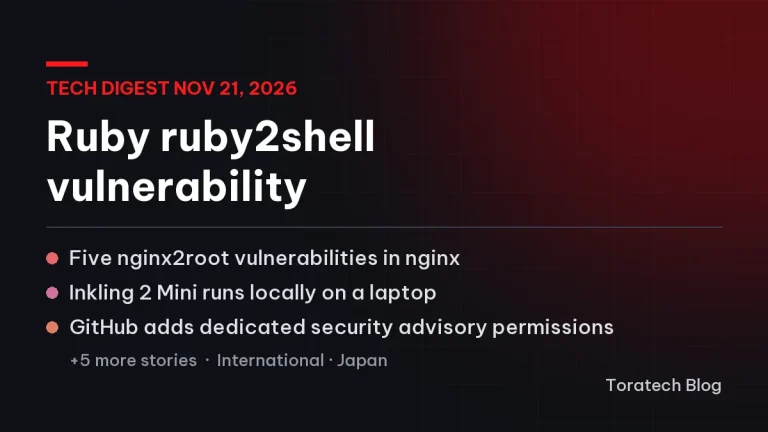
Today's digest covers two major security patch rounds: ruby2shell in Ruby and nginx2root in nginx. It also features the locally run Inkling 2 Mini model, GKE ambient networking, new Google Play rules and NuGet staged publishing.
International
AI & models
Inkling 2 Mini runs locally on a laptop
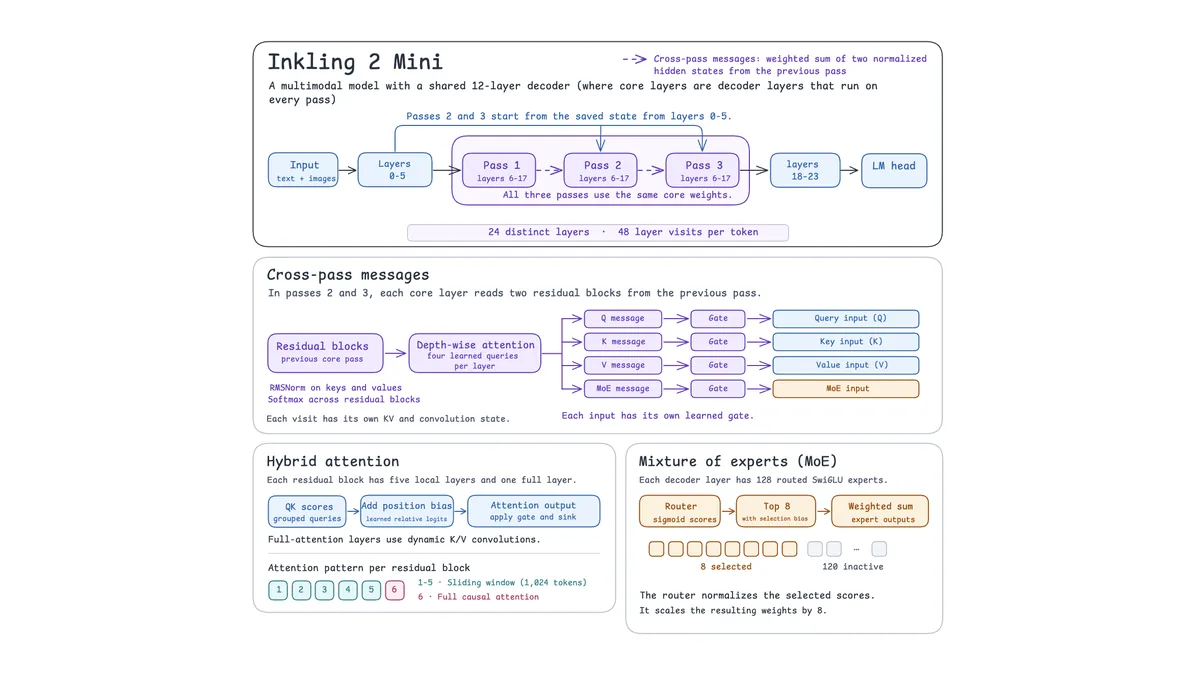
Thinking Machines Lab has released Inkling 2 Mini, an open-weight looped transformer model small enough to run on a laptop. It is a Mixture-of-Experts model with 26.4B parameters and 3.4B active parameters, and it runs the middle layers three times in a loop for each token. The model needs about 20GB of memory, so it can run on laptops and desktop AI computers.
What developers should do: Try running Inkling 2 Mini through Ollama on a Mac with at least 32GB of RAM, or use the quantized GGUF build via Unsloth and llama.cpp.
Sources: thinkingmachines.ai Hugging Face Blog
Developer tools
GitHub adds dedicated security advisory permissions
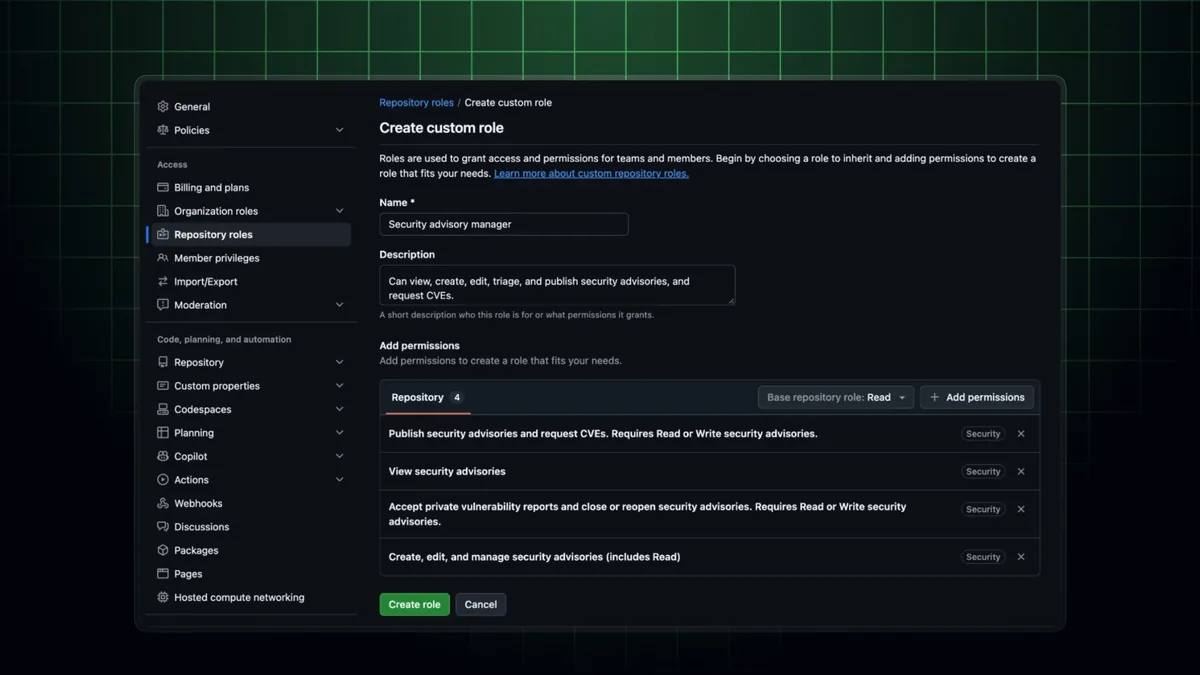
GitHub has made security advisory permissions generally available: organization owners can let others handle repository security advisories, including private vulnerability reports, through a custom repository role. There are four new permissions in the Security section when creating or editing a custom repository role. This removes the need to grant repository administrator permissions or the organization-wide security manager role.
What developers should do: Create or edit a custom repository role, then assign the new Security permissions to the team for exactly the repositories they handle.
Sources: GitHub Changelog
Developer tools
NuGet.org launches staged publishing
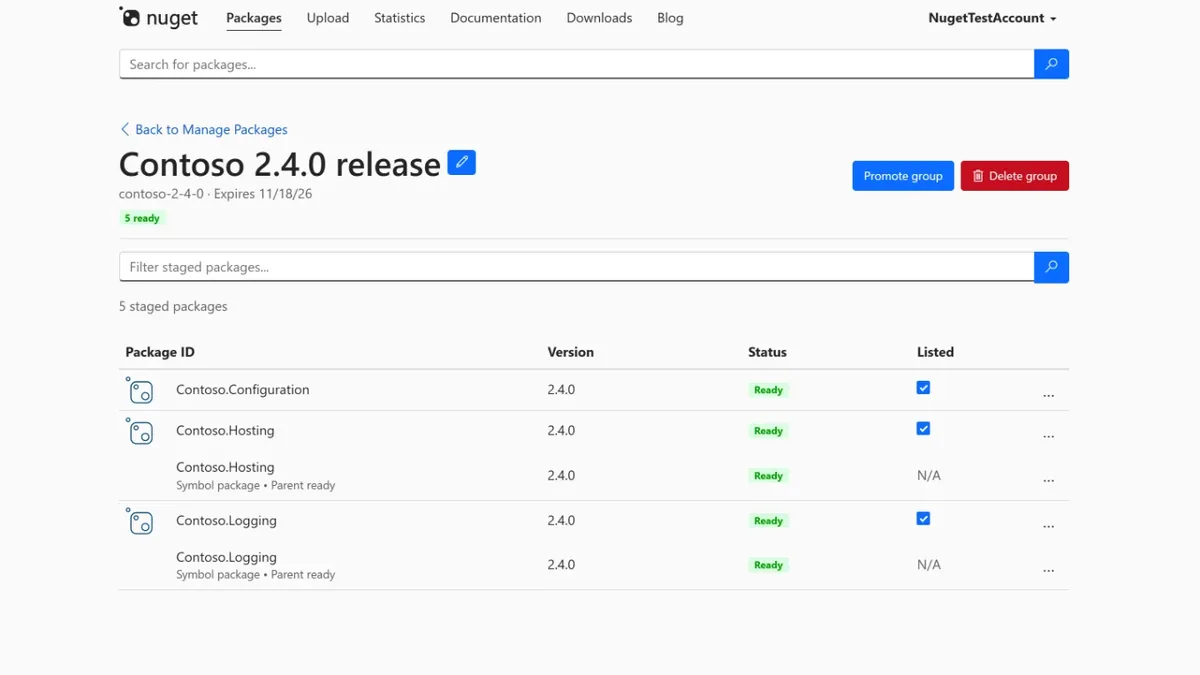
NuGet.org has launched staged publishing for all package publishers, letting them prepare and check packages privately before deciding to make them public (Nov 18). Packages go through NuGet.org's validation process but remain private until an authorized maintainer promotes them on the website. Promoting a group of packages is not an atomic release, so packages may become available to restore at different times.
What developers should do: Try pushing a package with the dotnet package stage push command using the .NET 11 RC2 SDK, with an API key that only has staging permission.
Sources: .NET Blog
Cloud, DevOps & infrastructure
GKE ambient networking is generally available
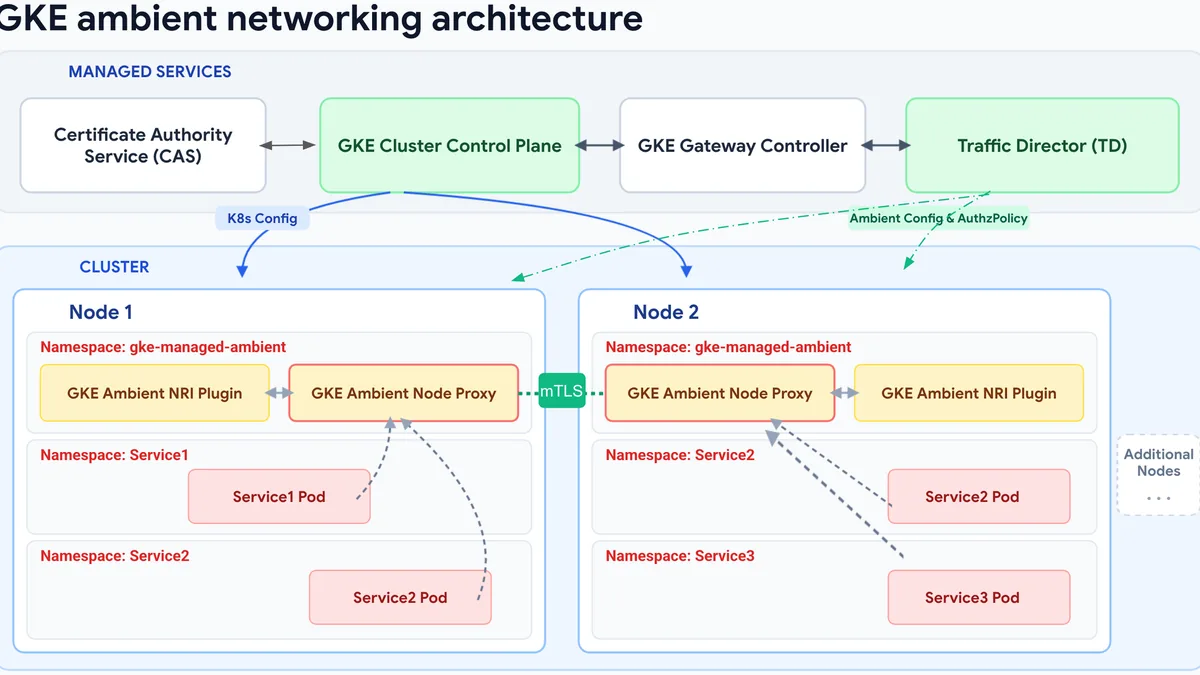
Google Cloud has announced that ambient networking for Google Kubernetes Engine (GKE) is generally available, bringing a sidecar-free service mesh to production environments. Networking functions move from each pod to a shared L4 Envoy node proxy on each node, which enforces mTLS and authorization policies. Google says it can cut the GKE resources used for L4 mesh features by up to 10 times.
What developers should do: Try enabling ambient networking when creating a new cluster or adding it to an existing GKE cluster.
Sources: Google Cloud Blog
Security
ruby2shell flaw in Ruby, Rails and Sinatra
On Nov 19, 2026, the Ruby team disclosed ruby2shell (CVE-2026-132825), a heap buffer overflow triggered when Ruby changes the case of a string, rated Critical by Ruby. Fixes are included in Ruby 3.3.14, 3.4.13 and 4.0.10. According to Veria Labs, classic-style Rails and Sinatra are affected in their default configuration, even before the authentication step.
What developers should do: Upgrade Ruby to 3.3.14, 3.4.13 or 4.0.10 and restart all Ruby processes, including background workers.
In-depth articleruby2shell Vulnerability in Ruby: CVE-2026-132825 and FixRead the full article
Sources: Cloudflare Blog
Security
Five nginx2root vulnerabilities in nginx
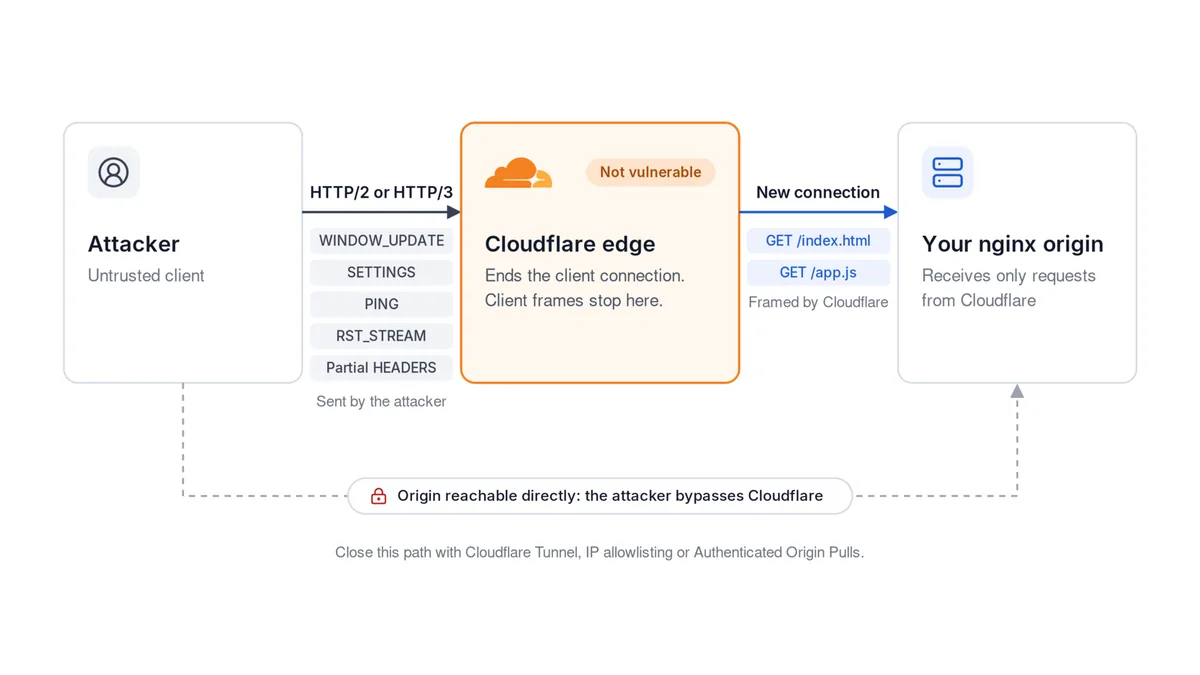
On Nov 18, 2026, F5 and nginx.org disclosed ten vulnerabilities in nginx, five of which are memory bugs that the Xint team named nginx2root. According to Xint, an unauthenticated attacker could crash a worker or run commands on the server. CVE-2026-123007 only requires HTTP/2 to be enabled and affects every nginx version since 1.9.5.
What developers should do: Update nginx to 1.30.7 or 1.31.9 (or a patched vendor build) and restart it.
Sources: Cloudflare Blog
Web, mobile & platforms
Google Play requires adaptive standard for foldables
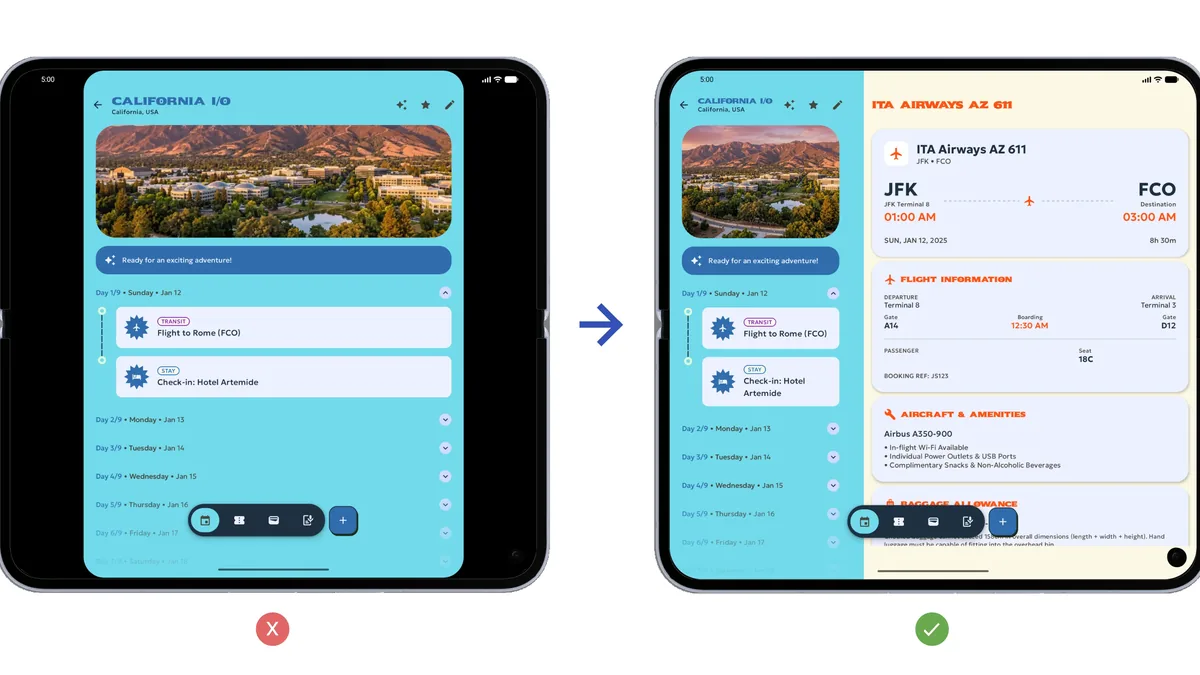
Google Play has announced a new requirement: from April 2027, apps must reach at least Tier 3 of Android's adaptive quality guidelines for foldable devices (Nov 18). Tier 3 requires apps to fill the screen without letterboxing and keep state when rotating, folding/unfolding and resizing. Apps that fail cannot be published or updated, and must submit 3 additional foldable-device screenshots.
What developers should do: Upload foldable-device screenshots to Play Console under Grow > Store presence > Store listings.
Sources: Android Developers
Japan
Security
Rakuten Securities: data exposed from test environment
Rakuten Securities (楽天証券) announced on Nov 17, 2026 that some customer information may have been exposed after unauthorized third-party access, affecting up to about 11.25 million accounts. According to the company, the information that may have been exposed was in a test environment system on Nov 11, and the cause is still under investigation. An @IT analysis notes that test environments holding real customer data need access control and monitoring like production environments.
What developers should do: Replace copying production data to test environments with masked or synthetic data.
Sources: @IT
Security
paiza: staging environment left personal data exposed
Paiza announced that a staging environment used for testing held up to 902,576 records of personal data in a state accessible to third parties (Nov 18). According to the company, since the environment was built in 2013, credentials had not been changed for a long time, so people who once had access, such as former employees, could still connect from outside. The company says it has not confirmed any external leak or misuse of the information.
What developers should do: Immediately revoke test environment access for people who have left, and review the standards for masking test data.
Sources: @IT
Vietnam
No news from Vietnam met this digest's editorial standards today.
Impact assessment
Toratech Blog's assessment of each story above, not news.
| Story | Affects | Impact | Level |
|---|---|---|---|
| Inkling 2 Mini runs locally on a laptop | Developers who want to run AI models locally on a laptop | The Inkling 2 Mini model needs about 20GB of memory, so it can run on a laptop without a dedicated server. This is a new option for trying out open-weight models on your own machine. | Low impactLong term |
| GitHub adds dedicated security advisory permissions | Organization owners and teams handling security advisories on GitHub | Handling of security advisories, including private vulnerability reports, can be delegated to a team through a custom repository role. There is no need to grant repository administrator permissions or an organization-wide security manager role. | Medium impactHappening now |
| NuGet.org launches staged publishing | Package publishers and maintainers on NuGet.org | Packages can be prepared and checked privately before they are made public. Promoting a group of packages is not atomic, so the packages may become available to restore at different times. | Medium impactHappening now |
| ruby2shell flaw in Ruby, Rails and Sinatra | Teams running Ruby, Rails and classic-style Sinatra applications | According to Veria Labs, a Critical-level flaw may be exploitable in the default configuration, even before authentication. Applications not yet upgraded to Ruby 3.3.14, 3.4.13 or 4.0.10 may be at risk. | High impactHappening now |
| Five nginx2root vulnerabilities in nginx | Teams operating web servers that use nginx | According to Xint, an unauthenticated attacker may be able to crash a worker or run commands on the server. CVE-2026-123007 only requires HTTP/2 to be enabled, so the range of affected nginx systems may be broad. | High impactHappening now |
| Google Play requires adaptive standard for foldables | Android app developers publishing on Google Play | From April 2027, apps that have not reached Tier 3 for foldable devices will not be able to be published or updated. It may be necessary to review letterboxing in the UI and state preservation across rotation and folding/unfolding. | Medium impactShort term |
| Rakuten Securities: data exposed from test environment | Teams managing test environments that hold real customer data | The incident shows that test environments holding real data can become a point of exposure, with up to about 11.25 million accounts involved. These environments may need access control and monitoring on par with production. | High impactHappening now |
Toratech's take today
Toratech Blog's analysis of the stories above, not news.
-
Test environments containing real data are becoming a security weak point
Items #8 and #9 both show that test/staging environments can hold real personal data. Rakuten Securities reported up to approximately 11.25 million accounts, and paiza reported up to 902,576 records. These environments may need the same access control, credential revocation and monitoring as production.
Based on: Rakuten Securities: data exposed from test environment; paiza: staging environment left personal data exposed
-
The April 2027 deadline turns adaptive design into a requirement for publishing Android apps
Google Play requires that from April 2027, apps meet at least Tier 3 for foldable devices. Apps that do not meet it will not be able to be published or updated. A UI without letterboxing and state preservation across rotation and fold/unfold may become mandatory items in development plans.
Based on: Google Play requires adaptive standard for foldables
-
More granular permissions for vulnerability handling and package publishing workflows
GitHub lets you assign security advisory permissions separately through a custom repository role, without needing repository administrator access or the organization-wide security manager role. NuGet.org lets you prepare packages in private mode before promoting them. Both may help reduce excess privileges in sensitive steps of the software supply chain.
Based on: GitHub adds dedicated security advisory permissions; NuGet.org launches staged publishing
This digest was compiled with the help of AI; each item names its sources at the end. Captioned images belong to the credited sources; uncaptioned news cards are made by Toratech Blog.