Today Ladybird releases an alpha with a new browser engine, Anthropic explains moving its monorepo from Git to Scion, and OpenAI and Cisco open-source Shirudo. GitHub also announces a column change in usage reports starting Dec 1.
International

Developer tools
Anthropic moves its monorepo from Git to Scion
Anthropic says it has moved its internal monorepo from Git to its own version control system called Scion (announced Oct 13). The number of changes merged per day grew from about 2,500 in May 2026 to more than 30,000 in month 9, and many jobs need no local repo because every source control query is available through an API. Anthropic says Scion is not meant to replace Git for general use and would be hard for other organizations to adopt.
Sources: @IT

Cloud, DevOps & infrastructure
GitHub adds user_id column to usage reports
Starting Dec 1, 2026, GitHub usage reports that have a username column will get a user_id column right next to it, and every column after username shifts one position to the right. The change applies to detailed usage reports, AI usage reports and premium request usage reports, including exports via the GitHub REST API. Rows for different deleted accounts will be split into separate rows instead of being merged.
What developers should do: Update scripts or tools that read reports by column position so they read by header name before Dec 1.
Sources: GitHub Changelog
Security
OpenAI and Cisco open-source Shirudo
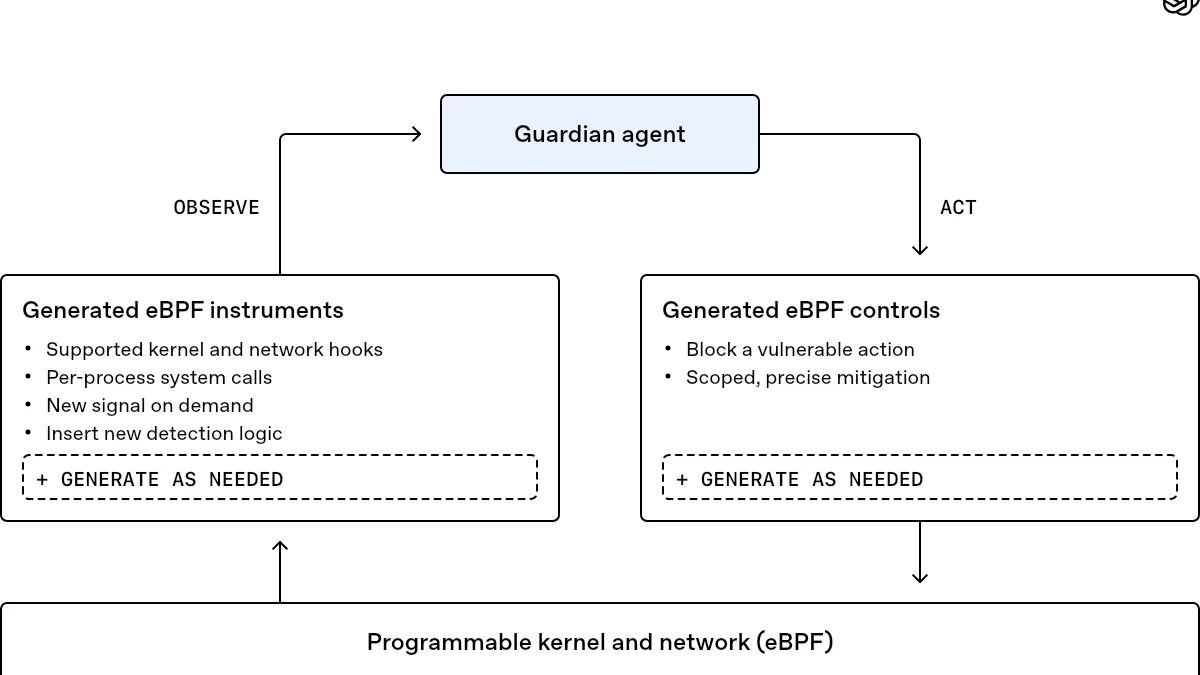
OpenAI and Cisco launch Shirudo, an open-source runtime that helps protect Linux systems while patches are being deployed. Shirudo uses eBPF; in a controlled test, a shield created by Codex blocked an attempt to exploit Java4Shell on a running Elasticsearch service without a restart. Operations teams can try a temporary shield before rollout, keeping services running when an official patch is not yet ready.
What developers should do: Follow Shirudo's VM quickstart to sign, load and verify a test protection.
Sources: OpenAI News

Web, mobile & platforms
Ladybird releases alpha for macOS and Linux
Ladybird, a browser with an engine built from scratch, has released an alpha for macOS and Linux. The browser supports WebDriver for automated testing and the Firefox DevTools protocol. According to the development team, some websites will not work and the browser sometimes crashes.
What developers should do: Try your website on Ladybird and report bugs to the development team.
Sources: ladybird.org The Verge
Japan
No news from Japan met this digest's editorial standards today.
Vietnam
No news from Vietnam met this digest's editorial standards today.
Impact assessment
Toratech Blog's assessment of each story above, not news.
| Story | Affects | Impact | Level |
|---|---|---|---|
| GitHub adds user_id column to usage reports | Users of scripts that read GitHub usage reports by column position | From 1/12/2026, a user_id column is inserted after username, and the following columns shift one position to the right. Scripts that read by position may pick up the wrong data. Rows for deleted accounts are also separated out. | Medium impactShort term |
| Ladybird releases alpha for macOS and Linux | Web developers who test across multiple browsers | The Ladybird alpha for macOS and Linux supports WebDriver and the Firefox DevTools protocol, so it may be included in testing. The development team says some websites do not work and the browser sometimes crashes. | Low impactLong term |
Toratech's take today
Toratech Blog's analysis of the stories above, not news.
-
Usage reports read by column position may show misaligned data from 1/12/2026
The user_id column is inserted right after username, shifting every column after it one position to the right, so scripts that read by column index may record incorrect figures. Rows for deleted accounts are also split into separate rows, so row-based aggregation may produce different results than before.
Based on: GitHub adds user_id column to usage reports
-
Very large monorepos may push source management tools toward API-oriented design
Anthropic says the number of changes merged per day grew from about 2,500 to more than 30,000, and many jobs do not need a local repo because queries go through an API. This suggests that at such a scale, the model of cloning a full repo may no longer be suitable, although Anthropic says Scion would be hard to apply in other organizations.
Based on: Anthropic moves its monorepo from Git to Scion
This digest was compiled with the help of AI; each item names its sources at the end. Captioned images belong to the credited sources; uncaptioned news cards are made by Toratech Blog.